
As the sun sets over Karlu Karlu’s granite boulders, the stars take over. Find out what its International Dark Sky Sanctuary status means and how it helps keep the Barkly sky dark enough for the Milky Way to shine.
Karlu Karlu (Devils Marbles) Conservation Reserve, offers unique landscapes, rich culture and is one of the best places to stargaze in the world. In 2026, it was designated an International Dark Sky Sanctuary by DarkSky International, recognising the exceptional quality of its night skies and commitment to protecting its nocturnal environment.
What is an International Dark Sky Sanctuary?
An International Dark Sky Sanctuary is a place with exceptionally dark night skies that’s committed to protecting them. At Karlu Karlu, the assessment included six months of night-sky readings, a review of existing lighting and a look at what could brighten the sky in future.
That matters because light that spills upwards or across the landscape can wash out fainter stars and disrupt wildlife that’s active at night. The designation means future development at the reserve must follow strict lighting guidelines.
Why Karlu Karlu is a special place after dark?
About 100 km south of Tennant Creek in the Barkly, Karlu Karlu is a sacred place for the Kaytetye, Warumungu, Warlpiri and Alyawarra Traditional Owners, who jointly manage the reserve with NT Parks and Wildlife.
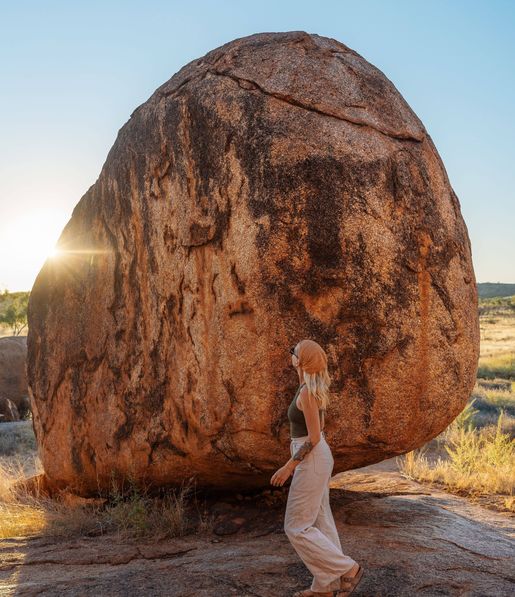
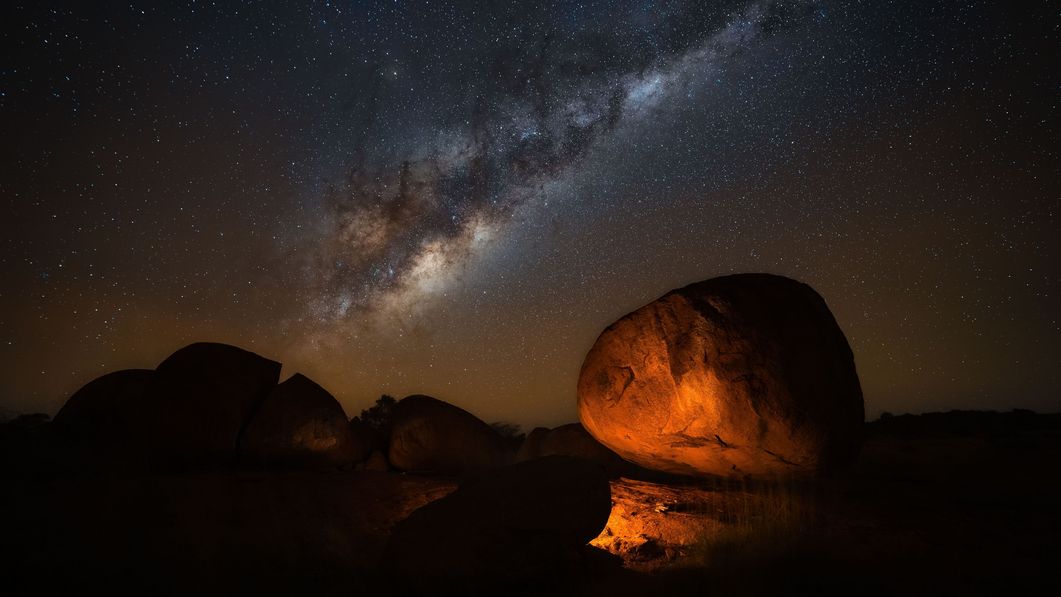
At sunset, the rounded granite boulders catch the last of the light. Stay a little longer and you’ll see them turn to silhouettes as the stars come out. On a clear, dark night, this is one of the best places in Australia to see the Milky Way. There’s something about sitting in the quiet of the Barkly and watching it stretch across the sky that’s hard to put into words.
Frequently asked questions
-
DarkSky International recognised Karlu Karlu / Devils Marbles Conservation Reserve for its naturally dark night skies and the work to protect them. Future development at the reserve must follow strict lighting guidelines to limit light pollution and keep the night sky dark.
-
Aim for a clear night around the new moon, when there’s less moonlight to wash out the stars. April to September is the cooler time to visit. Give the sky time to get properly dark after sunset and let your eyes adjust. On a clear, dark night, you can see the Milky Way with the naked eye.
-
Yes. If you’re camping at Karlu Karlu, find a spot away from bright camp lights and give your eyes a few minutes to adjust. Binoculars are handy if you want a closer look, but you can see plenty just by looking up.
-
Yes. The reserve has an unpowered campground with sites for tents and caravans. Book online before you go. If you’re visiting from interstate or overseas, you’ll also need an NT Parks Visitor Pass, which is separate from your camping booking.
Keep exploring
More articles you might like


